How it works
How race photo search works, and is it private?
Where event, account, consent, age, and jurisdiction gates allow it, selfie search can return likely matches from eligible published photos. It feels a little like magic and a little unnerving, so here is exactly how it works, how accurate it is, and what happens to your selfie and face data afterwards.
On this page
Where event support, account eligibility, consent, age, and jurisdiction gates allow it, selfie search can return likely matches from eligible published photos. Here is what is actually happening under the hood, how it compares to the old bib-number method, and, because it is a fair question, exactly what happens to your face data afterwards.
How it works, step by step
- Where event, account, consent, age, and jurisdiction gates allow it, you provide consent and upload one selfie on the event photo page. A clear, front-on photo works best, but missed and false matches are possible.
- The system creates a face embedding, which is a mathematical representation of your facial geometry, not a stored picture. It does the same for the faces in the event’s race photos.
- It compares your embedding to eligible event photos and returns likely matches from covered camera positions.
- Your selfie image is deleted within 60 seconds of matching. A one-time search does not retain its derived face signature; consent and audit records may remain.
Why it beats searching by bib number
For decades the only way to find race photos was by bib number, which depends on a camera and a human clearly reading the number on your chest. That fails constantly: bibs get turned, folded, soaked, pinned under jackets, blocked by other runners, or simply misread. Any of those conditions can cause bib search to miss a photo. Where event, account, consent, age, and jurisdiction gates allow it, selfie search can return likely eligible matches even when your number was not legible. The wider bib-free playbook is in how to find your race photos without a bib number.
Is it private? What happens to your face data
This is the part people rightly want to understand. Face matching uses biometric data, and in the United States that is regulated in several states, including Illinois (BIPA), Texas (CUBI), and Washington (RCW 19.375). A responsible platform treats it carefully. On PodiumBase specifically:
- The selfie image is deleted within 60 seconds of matching.
- Event-page and eligible cross-event one-time searches do not retain a derived face signature; separate enrollment can retain one under active consent.
- You can opt out of face matching at any time.
- A state-aware posture governs where and how the selfie feature is offered, per the laws above.
The event-page one-time search retention schedule and your rights are on our trust & safety page and in the event-search biometric FAQ. Cross-event search and enrollment present separate disclosures before use.
How accurate is it, really?
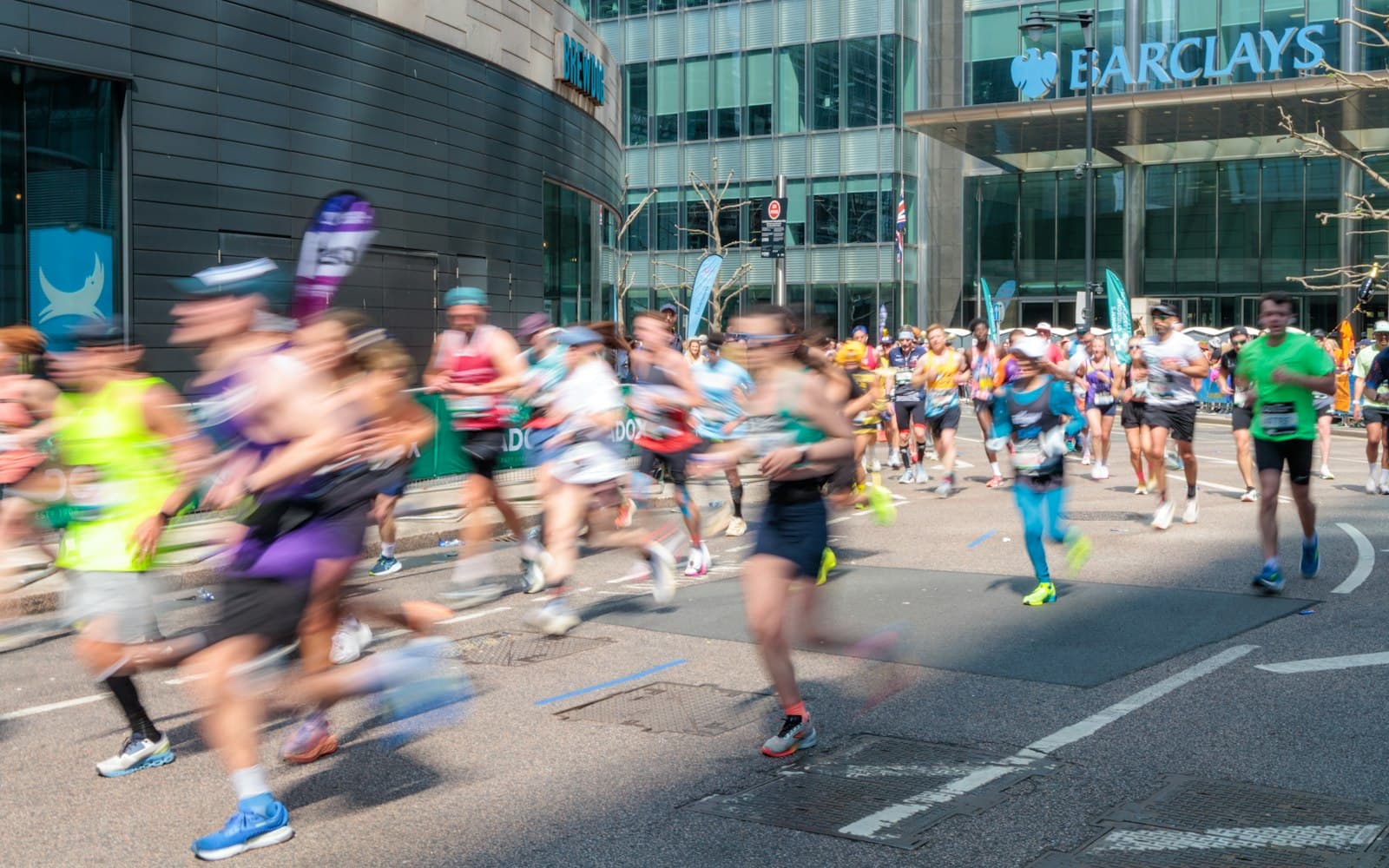
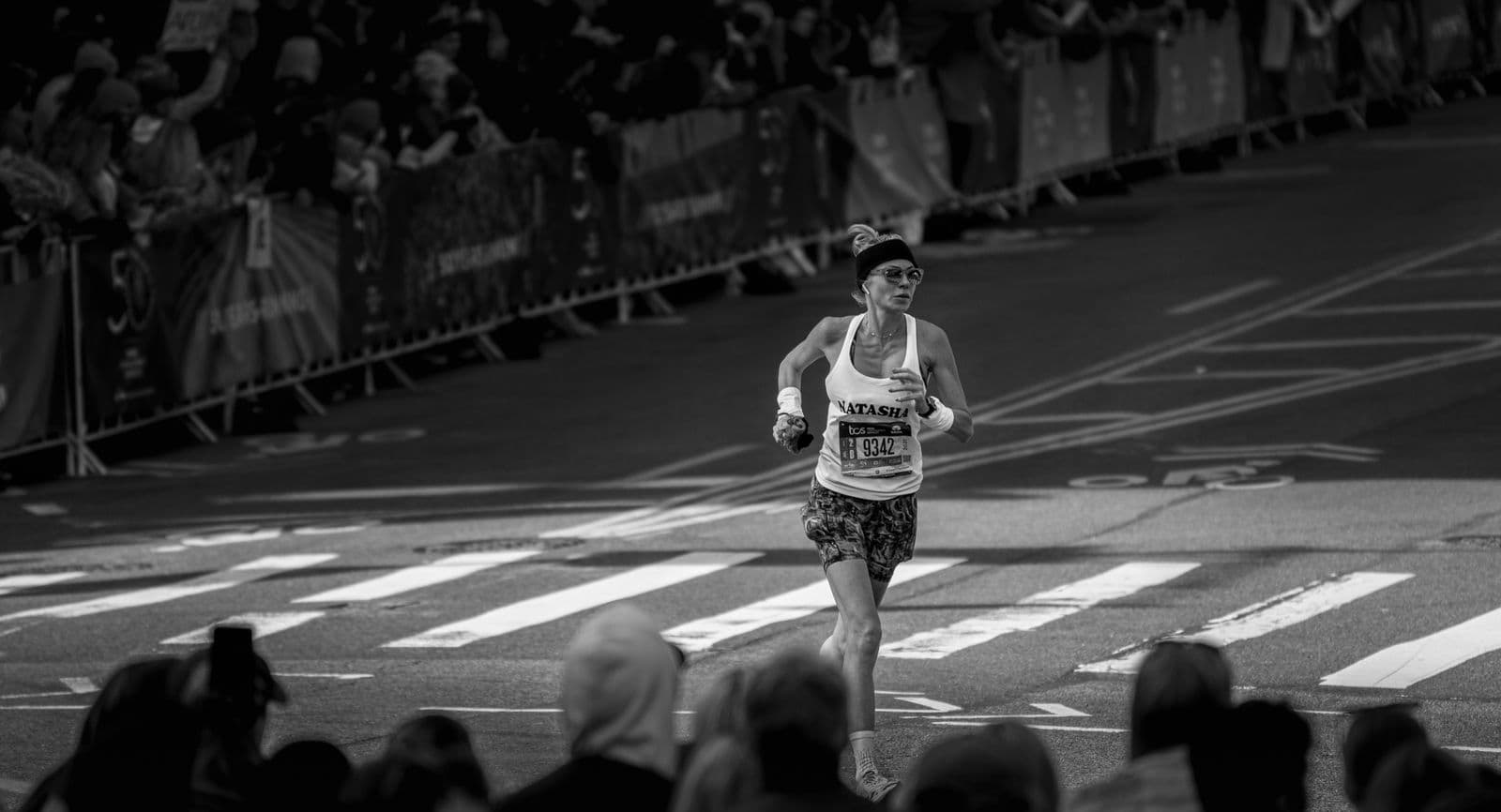
Where event support, account eligibility, consent, age, and jurisdiction gates allow it, face matching is designed to return likely matches through the messy reality of racing: mid-stride, sweaty, sunglasses on, partially turned. It still needs a clear enough view of your face in a given frame. If your face is fully hidden, that frame may not be returned, and false positives or missed matches remain possible.
The bottom line
Where event support, account eligibility, consent, age, and jurisdiction gates allow it, selfie search can narrow a large gallery to likely eligible matches by using your face instead of relying on a readable bib. PodiumBase deletes the one-time selfie image within 60 seconds and does not retain its derived face signature. Find my race photos to check your event.
Questions
What happens to my selfie after I search?
For event-page one-time search, PodiumBase deletes the selfie image within 60 seconds and does not retain its derived face signature. Separate enrollment can retain a derived signature under active consent and presents its own disclosure. The event-page retention schedule is in the biometric FAQ.
How is selfie search different from searching by bib number?
Bib search reads the number on your race bib, so it can fail when the bib is turned, covered, or misread. Where event, account, consent, age, and jurisdiction gates allow it, selfie search can return likely eligible matches without relying on a visible bib.
Is face-matching photo search legal and private?
It is subject to biometric privacy laws in some U.S. states (Illinois BIPA, Texas CUBI, Washington RCW 19.375). PodiumBase applies feature, consent, age, event, and jurisdiction gates; one-time and enrollment modes have different retention behavior. The biometric FAQ publishes the event-page one-time search schedule; other modes present separate disclosures.
How accurate is it?
Where event support, account eligibility, consent, age, and jurisdiction gates allow it, face matching is designed to return likely matches when there is a clear enough view of your face, but false positives and missed matches remain possible. A fully obscured face may not be returned.
See how it works, then check whether consented selfie search is available for your event, account, age, and jurisdiction.
Try selfie search