For athletes
Triathlon race photography: why it’s hard, and how athletes find their photos
Three sports, three venues, two transitions, and a swim where you’re an anonymous neoprene shape. Triathlon breaks every shortcut race photography normally relies on. Here is how it’s shot, and how you find yourself afterward.
On this page
A road 10K is one sport in one place. A triathlon is three sports in three places, joined by two transitions, often starting before sunrise. That structure is what makes triathlon the single hardest endurance event to photograph well, and the reason so many triathletes finish a race convinced there are “no good photos of me.” There usually are. You just need to understand how the coverage works to find them.
Why triathlon is uniquely hard to shoot
Every shortcut that road-race photography leans on breaks down across a tri. It’s worth walking leg by leg, because each one fails differently.
The swim: nobody is identifiable
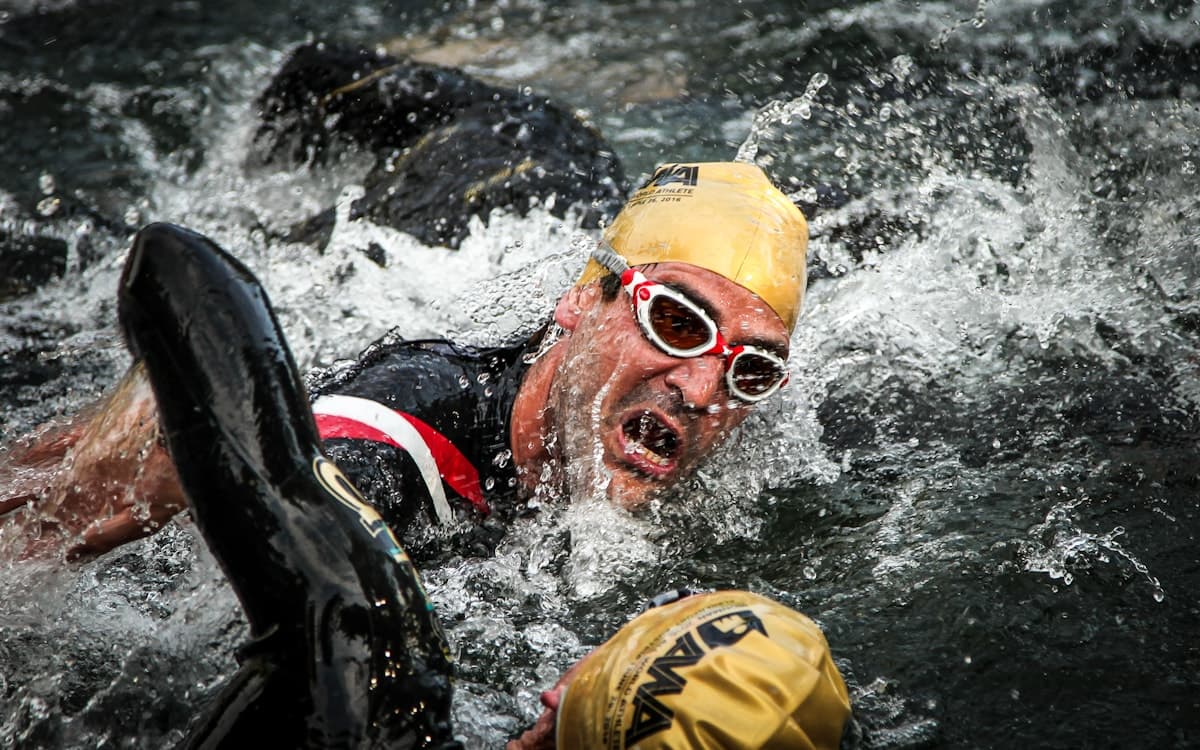
The swim is a photographer’s nightmare. It happens on open water, at distance, often at dawn in flat grey light, with hundreds of athletes packed into a churning mass of identical black wetsuits and brightly coloured caps. There is no bib to read (your number is under your wetsuit) and from shore you are an anonymous shape among dozens. The usable swim shots come at the edges: the mass start, the buoy turns, and above all the swim exit, where you stand up, peel your wetsuit, and become a recognisable person again.
The bike: fast, spread out, and bib-on-the-back
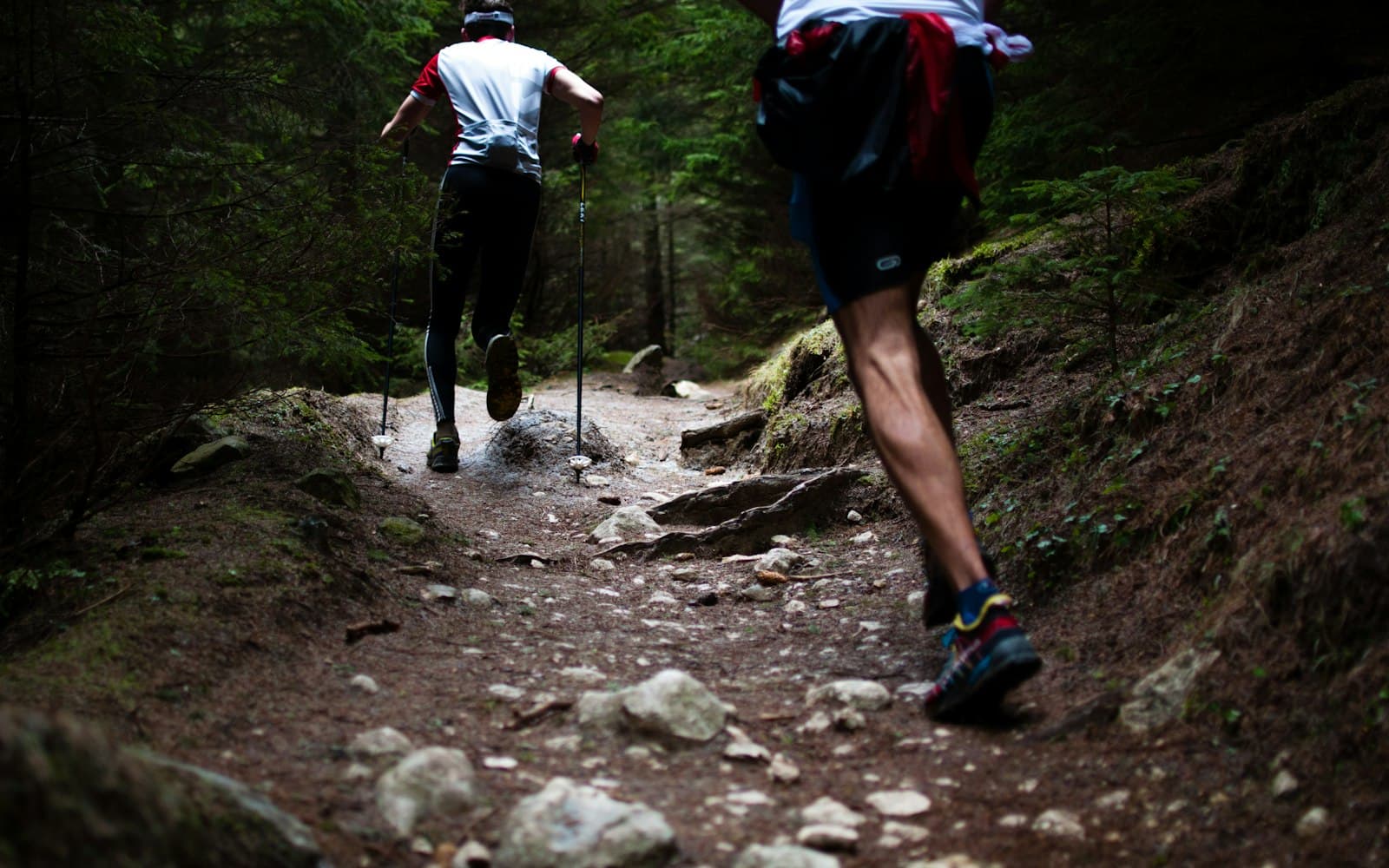
On the bike you’re moving at 30-plus kilometres an hour over a long, spread-out course, so a photographer only catches you in the split second you pass their one position. Your race number is frequently mounted low on the seat post or on your back, angled away from a roadside lens, and your face is half-hidden under a helmet and sunglasses. Bib-based tagging struggles here precisely when the rider is most identifiable by face.
The run: the one leg that behaves normally
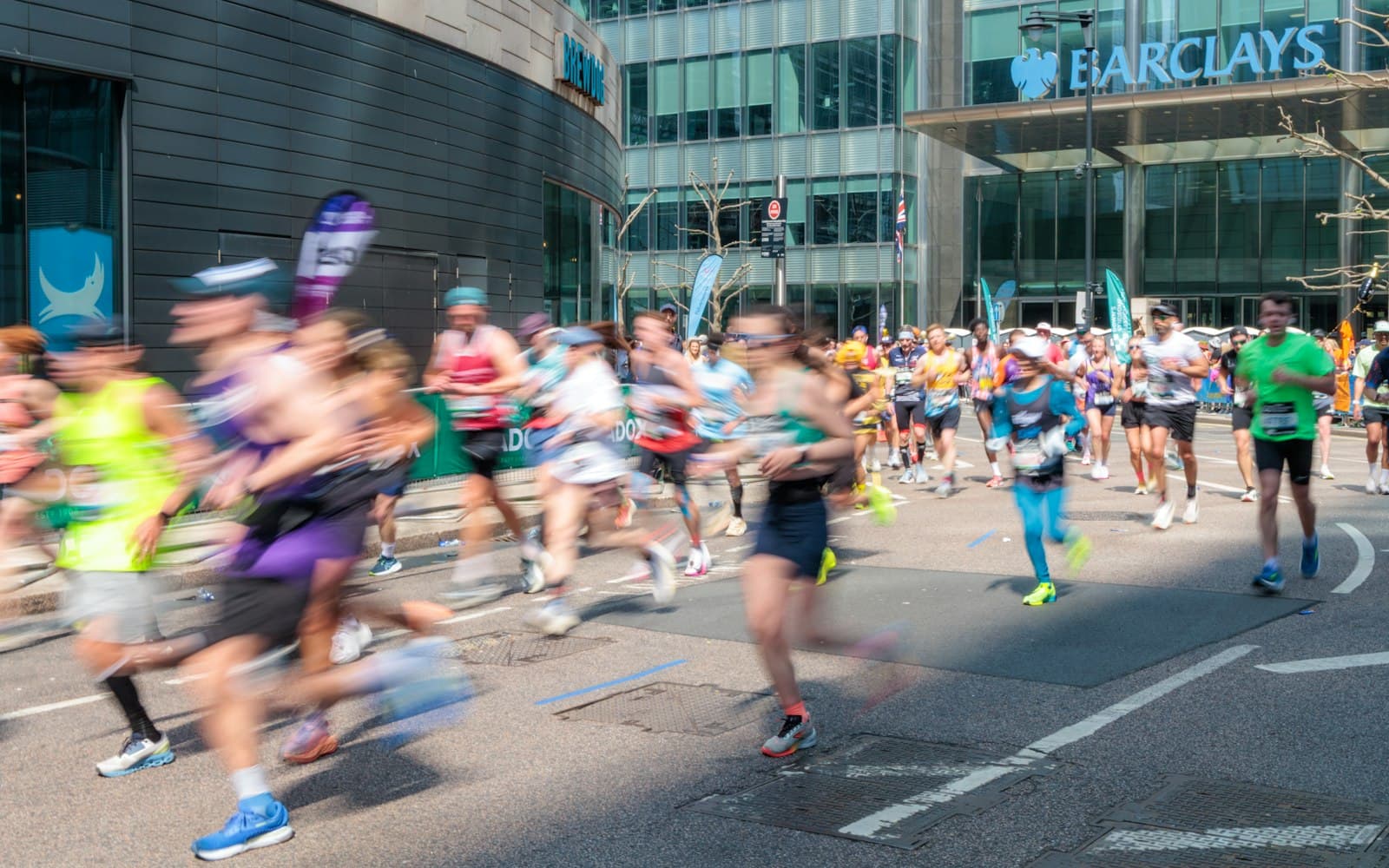
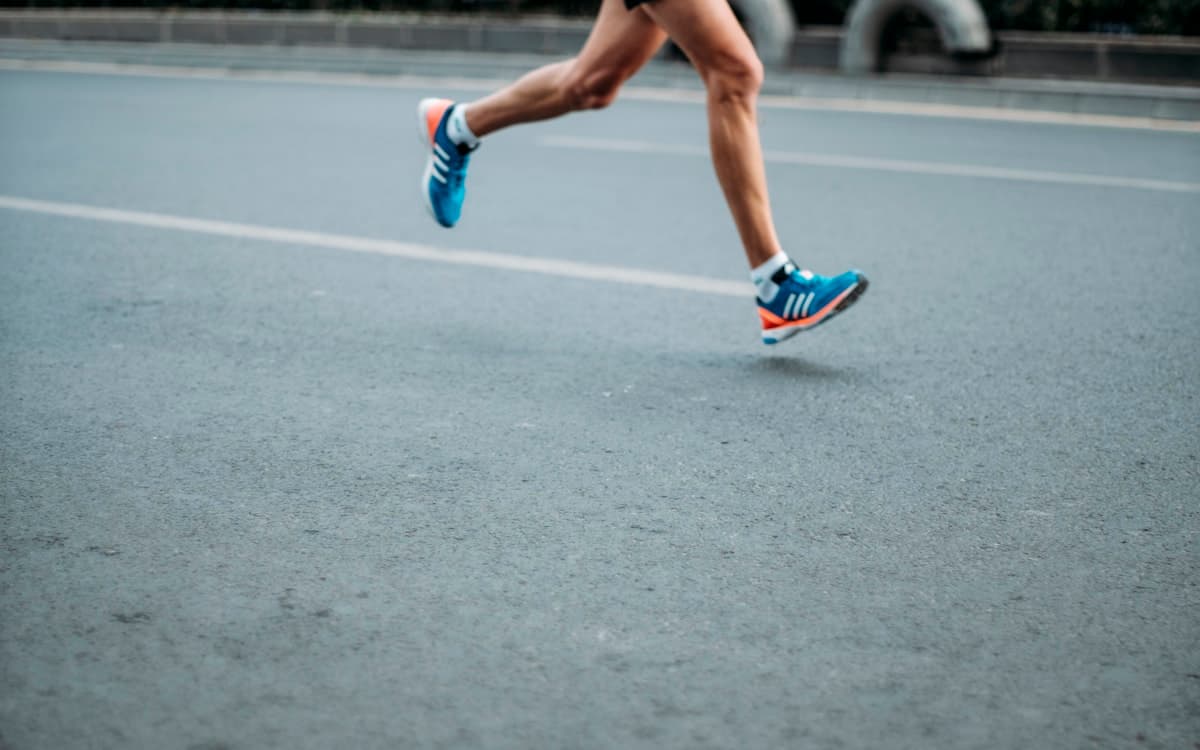
The run is the most photographable leg: you’re upright, slower, your bib is usually on your front, and the finish chute is a guaranteed photo zone. This is where most triathletes get their hero shot. But it’s also why so many athletes end up with a pile of run photos and nothing from the swim or bike: the run is easy, the other two are hard.
Multiple locations, one athlete
On top of all that, the three legs happen in different places, sometimes kilometres apart, covered by different photographers who never see the same athlete twice. There is no single vantage point. Stitching one athlete’s photos together across swim exit, bike course, transition, and finish line is the core problem, and it’s exactly the problem a bib-by-bib system can’t solve, because your bib isn’t readable in half of them.
How athletes actually find their photos across all three legs
Where the event, account, consent, age, and jurisdiction gates allow it, face matching can use a single selfie to return eligible matches from covered points across all three disciplines, regardless of whether your number was visible. On PodiumBase, where those event, account, consent, age, and jurisdiction gates allow it, a selfie search can return eligible swim, bike, and run matches together. The selfie is deleted within 60 seconds, and the one-time search does not retain a derived face signature (see our trust & safety page).
If your race isn’t on a face-matching platform, you can still narrow things down by combining your splits with photo timestamps (find the photographer position near your T1 exit time, your bike split, and your finish) but it’s slow, and the swim will likely stay a mystery. (More on the bib-free approach in how to find your race photos without a bib number.)
Practical tips for better triathlon photos
- Make the swim exit count. It’s often the only clean swim shot you’ll get. Stand tall coming out of the water, find the camera, and you’ll have one good swim frame instead of none.
- Wear something identifiable. A distinctive trisuit, cap colour, or kit helps both photographers and face matching, and makes you easier to pick out of a pack on the bike.
- Mind your bib mount. A race belt worn front on the run, and a number angled so it’s visible, helps traditional systems, but don’t rely on it, because it will be hidden for most of the swim and bike.
- Know the photo zones. Swim exit, both transitions, a scenic bike turn, and the finish chute are where the cameras live. Spot them and you get two or three seconds to look strong.
- Check whether selfie search is available afterward. Where event, account, consent, age, and jurisdiction gates allow it, selfie search can return likely eligible matches from covered legs even when no readable bib appears.
For race directors and photographers
If you put on triathlons, the photo problem is the same one your athletes feel: coverage is fragmented across legs and locations, and bib tagging can’t reassemble it. A platform that matches by face turns scattered swim, bike, and run galleries into one findable set per athlete, with photos live race-day instead of weeks later, see how it works for race directors. And if you shoot triathlon, face matching can help eligible swim-exit and bike-course frames reach the athlete who’s in them when no readable bib appears; here’s the photographer side.
The short version
Triathlon is hard to shoot because it’s three races in three places and your bib is invisible for most of it. The way you find your photos is to match on your face, not your number, and then the swim exit, the bike, and the finish line all come back together. Find my race photos to try it on your race.
Questions
How do I find my photos from the swim leg if I have no bib?
Where the event, account, consent, age, and jurisdiction gates allow it, selfie search can return eligible swim-exit, bike, and run matches even when your number was unreadable. Start from the event photo page to see which search options are available.
Why are there so few photos of the swim?
The swim happens on open water at distance, in low light at dawn, with athletes packed together in identical wetsuits and caps. Photographers concentrate on the swim exit and the run up the beach, where you are upright and identifiable, rather than the water itself.
Will photographers catch me in transition?
Often yes. Transition (T1 and T2) is one of the few places athletes pass through on foot at a predictable spot, so it is a useful photo zone. Where event, account, consent, age, and jurisdiction gates allow selfie search, a likely eligible match may still be returned when your bib is not visible.
Do I need my race number visible to be found later?
Not necessarily. Where event, account, consent, age, and jurisdiction gates allow selfie search, a clear view of your face can return likely eligible matches from covered swim, bike, and run points even when a bib is covered, wet, or mounted on your back.
How long after a triathlon are photos usually ready?
Timing varies by event, photographer workflow, upload volume, review, and release settings. Check the event page for eligible published coverage and current gallery status.
Racing a supported tri? Check whether selfie search is available for your eligible account, consent, age, and jurisdiction.
See triathlon photo coverage